June 27, 2026
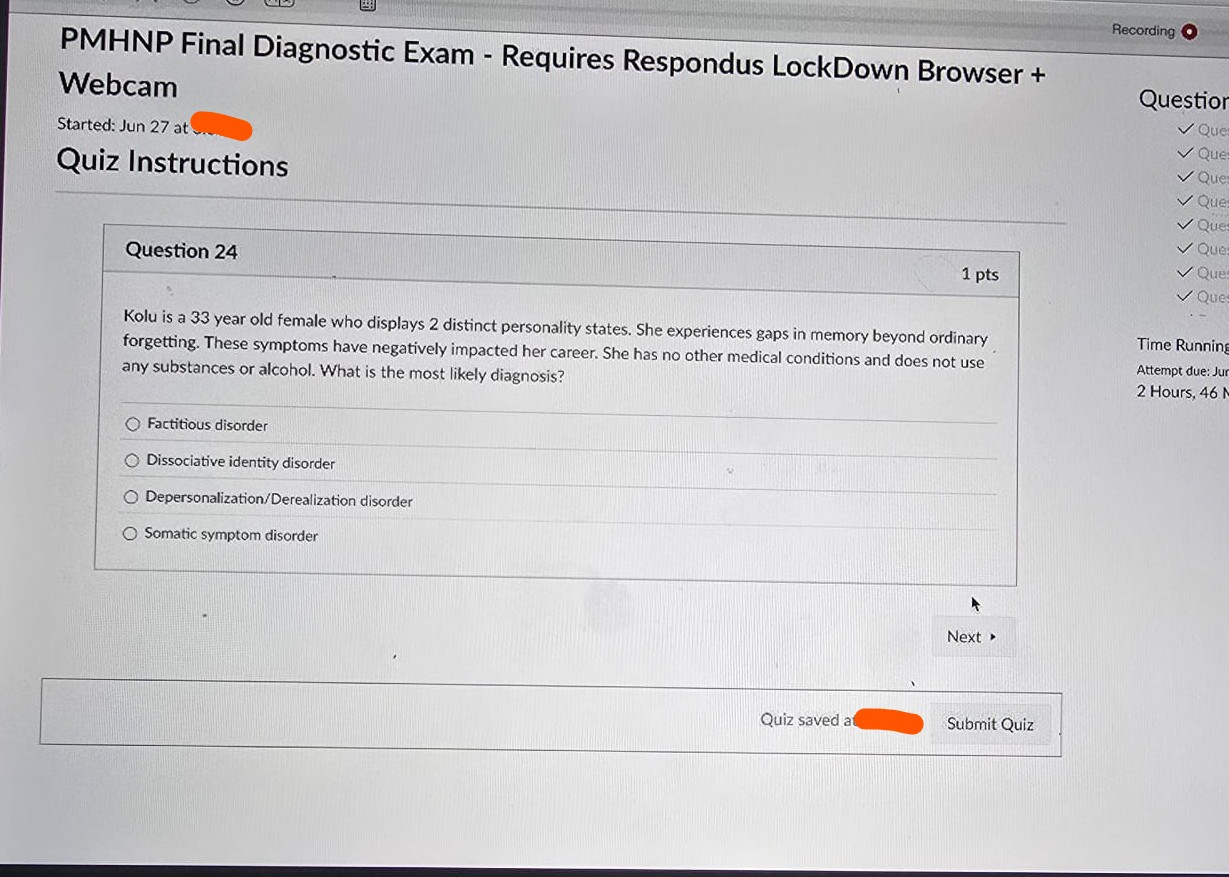
NR668 PMHNP Question Bank Final Diagnostic Exam 2026 Complete Answers: Respondus Lockdown and Webcam
NR668 PMHNP Question Bank Final Diagnostic Exam 2026 Complete Answers: Respondus Lockdown and Webcam


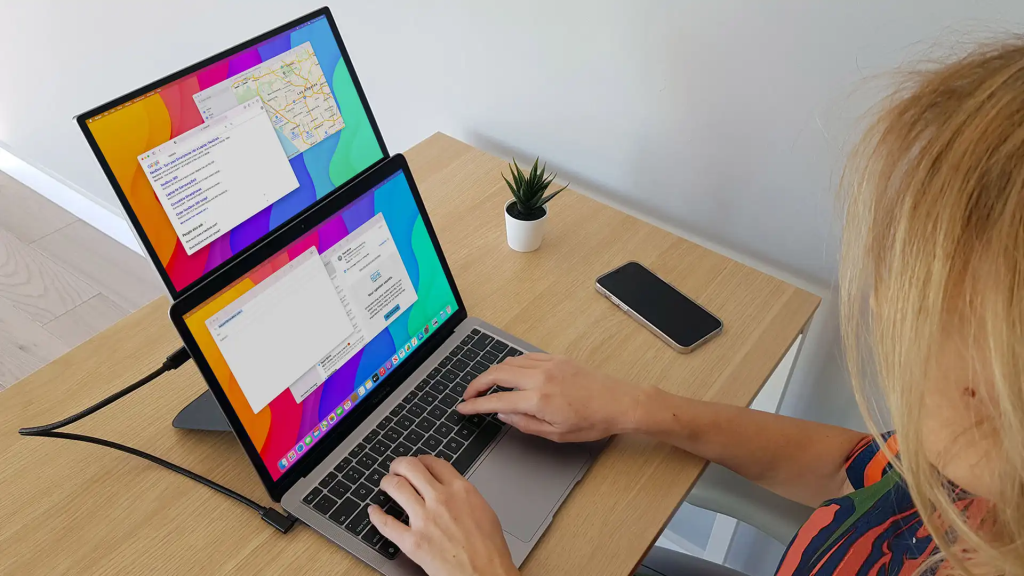
Yes. Every major proctoring platform can detect a second monitor. They block it outright, or they flag your behavior if you somehow hide the extra screen.
Using two monitors to cheat on an online exam is not a loophole you can slip through with a clever cable arrangement. The software checks your display count, the AI watches your eyes, and the room scan records your setup.
This article breaks down exactly how each platform catches a second monitor, what happens if you try anyway, and the one method that makes the whole problem irrelevant.
Detection happens on three levels. Technical, behavioral, and physical. Even if you beat one layer, the others will catch you.
The proctoring software asks your operating system a simple question: “How many active displays are connected?” If your number is greater than one, the exam is blocked before it even starts.
The software does not care if the second screen is turned off. It only cares that the port is live and the monitor is registered. You must physically disconnect the cable or disable the display in your system settings.
Let us say you manage to hide a second monitor from the technical check. Maybe you used a hardware trick that makes two screens appear as one, or you are mirroring the display in a way the software allows.
The AI will still catch you. Proctoring tools track your gaze. If your eyes repeatedly move to the same off-screen spot, the AI flags “room gaze” or “suspicious eye movement.” The instructor reviewing your recording will see you staring at something that is not your main screen. You cannot explain that away.
Before the exam, you must pan your webcam around the room. A second monitor is large. It is hard to hide. If the proctor or the AI sees a second screen during the scan, you will be told to remove it.
If you refuse, the exam does not start. If you hide it behind something and the room scan misses it, you still have to sit in front of it without ever looking at it in a way that the camera catches.
Every major proctoring system has a hard one-monitor rule. Here is how each one enforces it.
You do not need to use a second monitor to cheat on exams. You only need someone else to take your online exam for you.
That’s exactly what we do. On exam day, you just need to sit in front of a single monitor, exactly as the rules require. You complete the ID check, the face scan, and the room pan. Everything is compliant. The proctor sees one clean screen. Then our expert connects to your laptop remotely to take the exam for you via tested tools that never leave footprints.
The second monitor problem stops existing when you are not the one taking the test. Contact us now to book your exam spot.
NR668 PMHNP Question Bank Final Diagnostic Exam 2026 Complete Answers: Respondus Lockdown and Webcam
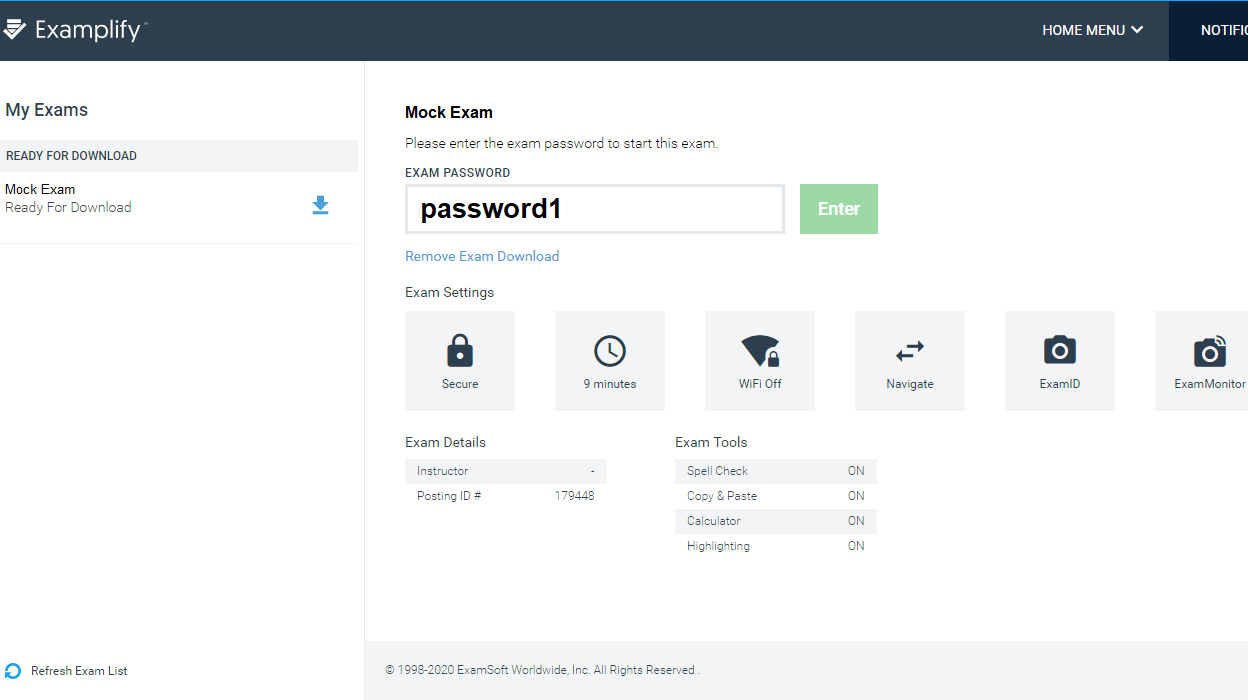
How to Cheat Bypass Examplify Exam in 2026

You need a passing HESI A2 score to get into your nursing program. You could spend months grinding through anatomy flashcards, reading comprehension drills,...